
What Is Carnosine
Carnosine is a naturally occurring compound made from two amino acids: beta-alanine and histidine. Scientists call it a dipeptide.
It is found in various tissues throughout the human body, particularly in skeletal muscle and the brain. Carnosine is also present in foods such as meat, poultry and fish.
Researchers are interested in carnosine because of its antioxidant properties and its ability to interact with certain compounds involved in cellular ageing. However, research is ongoing, and its potential health benefits in humans are not yet fully established.
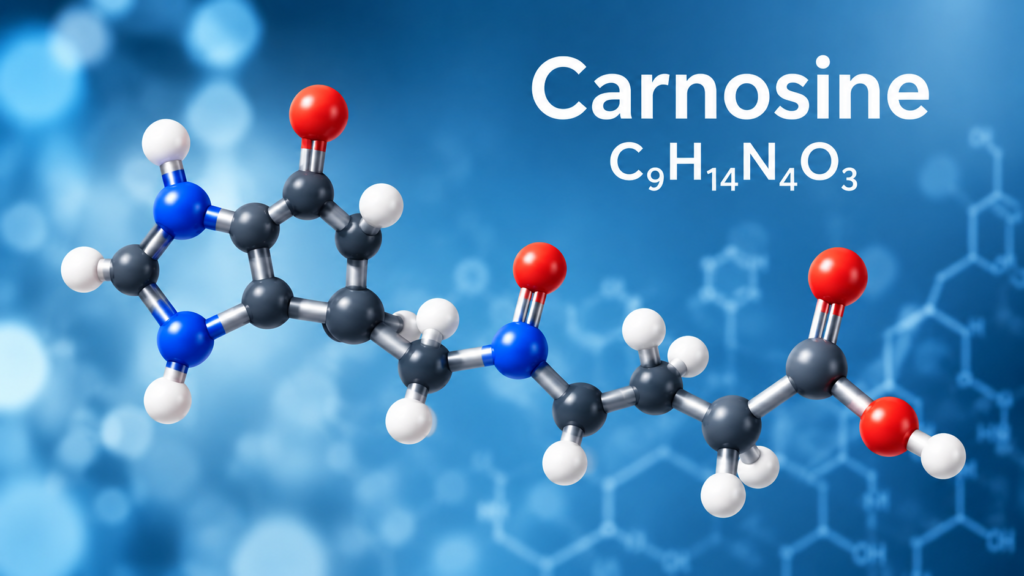
Where Is Carnosine Found?
Carnosine occurs naturally in the human body, particularly in skeletal muscles, where it helps buffer acidity during physical activity. It is also found in other tissues, including the brain.
In our diet, carnosine is found mainly in animal-based foods such as beef, chicken, pork and fish. The amount varies depending on the type of food and how it is prepared.
Although plant-based foods generally contain little or no carnosine, the body can produce its own carnosine from the amino acids beta-alanine and histidine.
Why Are Scientists Interested In Carnosine?
Scientists are interested in carnosine because it has several properties that may help us understand how cells function and respond to stress. Laboratory studies have shown that carnosine can act as an antioxidant and interact with certain reactive compounds that may damage proteins.
Carnosine also plays an important role in skeletal muscle, where it helps buffer acidity during intense exercise. Researchers have studied how increasing muscle carnosine levels may affect exercise performance, particularly during short periods of high-intensity activity.
Another area of interest is healthy ageing. Scientists are investigating whether carnosine’s chemical properties could be relevant to processes associated with ageing. However, much of this research is still at an early stage, and laboratory findings do not necessarily translate into proven health benefits for people.
Carnosine In Food And Supplements
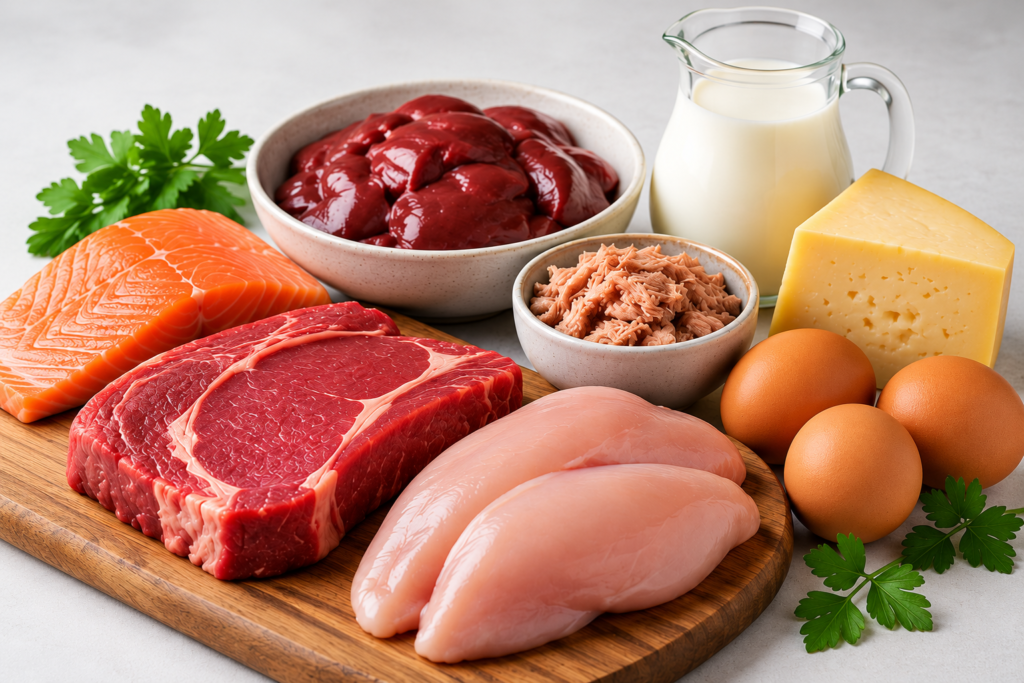
Carnosine is naturally present in a variety of animal-based foods, particularly those that are rich in muscle tissue. Good dietary sources include beef, pork, chicken, fish (such as salmon and tuna), and organ meats such as liver. Smaller amounts can also be found in dairy products, including milk and cheese, and in eggs.
The amount of carnosine in food can vary depending on the type of food and how it is prepared. For example, cooking methods such as boiling may reduce carnosine levels, whereas grilling or frying tend to retain more of the compound.
Carnosine Supplements: Oral And Topical
Carnosine is also available as a dietary supplement, commonly in capsule or powder form. Be aware, much of the published research into carnosine supplementation has focused on oral supplements.
However, topical carnosine gels offer another approach and are also of on going research interest. Some people who use these gels report that they prefer them to oral supplements or feel they experience better results.
Again however, personal experiences do not establish that topical gels are more effective. Further independent research is needed to understand how well carnosine is absorbed through the skin and whether topical application offers advantages over oral supplementation.
Explore The Research Further
Scientific interest in carnosine continues to grow, with researchers exploring its properties and potential roles in human health and ageing.
If you’d like to learn more about the science behind carnosine, visit our Research & Articles page, where we explore published studies, emerging findings and areas of ongoing research.